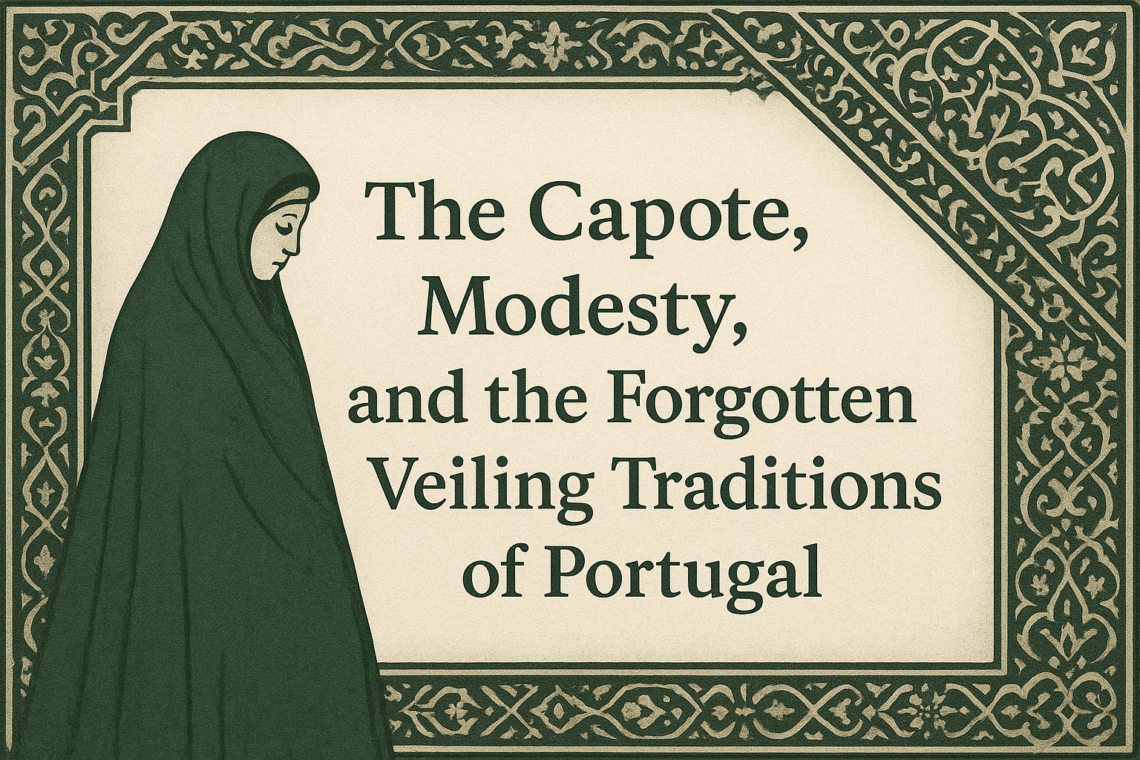
Modesty in Portuguese History: A Personal Reflection from Madeira to the Azores
I often hear people say that modest clothing or veils are foreign to our culture.
However, looking at Portuguese history and especially the history of our islands, I see that modesty has always had a place here. I remember travelling through the rural villages in the north of Madeira (A Portuguese Island) and noticing elderly women still wearing dark shawls that covered the head and shoulders. At the time I thought nothing of it but after learning more about Islam and after reflecting on modesty as a value I began to recognise how deeply these older Portuguese customs resemble what many today call foreign.
I was born and raised with the idea that Portuguese culture is very open and very modern and in many ways that is true, but when I started discovering the history of the Azores the picture became more complex and more beautiful. The Azorean islands, especially Faial and Terceira, have some of the strongest examples of traditional female modest dress in Portugal.
The Capote e Capelo of Faial
One of the most striking examples is the capote e capelo from Faial island. This garment is part of the traditional clothing of the Azores and is centuries old. The capote was a long dark blue cloak made of thick wool and the capelo was a structured hood that came forward over the face. It created a form of privacy and protection for women when they moved through public spaces. The silhouette is dramatic, almost mysterious, and it served a practical purpose in the harsh Atlantic weather (winds). It also created a barrier between a woman and the outside world allowing her to walk with dignity and discretion.
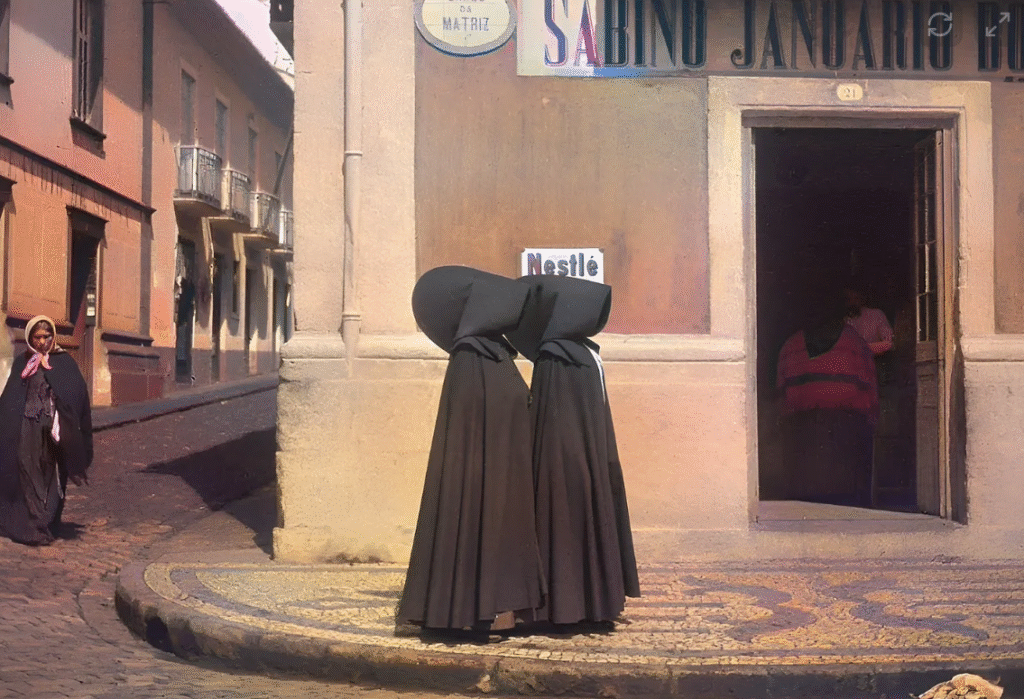
Each piece was hand-sewn from heavy Azorean wool, shaped over whalebone or cane to create the iconic silhouette that offered privacy, modesty, and protection from coastal winds
Many historians believe the design reflects influences that travelled through the Iberian Peninsula during the long period of contact with Andalusi culture. Portugal was not isolated from the rest of the region and ideas, textiles and aesthetics moved freely across the sea. Whether or not the capote has direct Andalusi roots, the resemblance to styles of modest dress from southern Iberia is hard to ignore.
The Manto of Terceira
On Terceira island another traditional garment developed called the manto. It was a long dark cape, usually black or deep navy that covered the body from head to toe. Women often wore it to church and in public spaces. It allowed them to maintain privacy and modesty and it symbolised respectability and honour in the community.
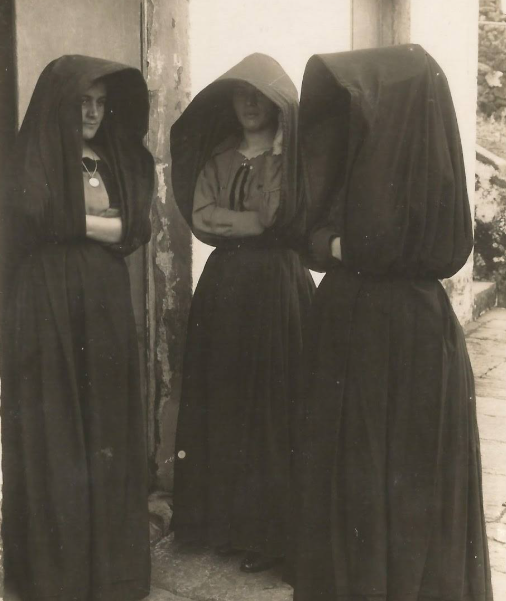
When I first saw pictures of the manto I was genuinely surprised. It looks very similar to forms of modest dress worn by Muslim women in various parts of the world. Of course the origin is Portuguese and Catholic, but it reminds me that modesty is not exclusive to one culture or one religion. It is a human value that appears across societies especially in more traditional or rural contexts.
The Modesty That Still Exists
In Madeira modest clothing was also once common. Even today if you walk through certain rural villages in the north you can still find older women wearing dark head coverings especially on their way to church or during religious occasions. These women are not trying to make a statement. They simply kept what they inherited from their mothers and grandmothers. Their clothing represents humility reverence and tradition.
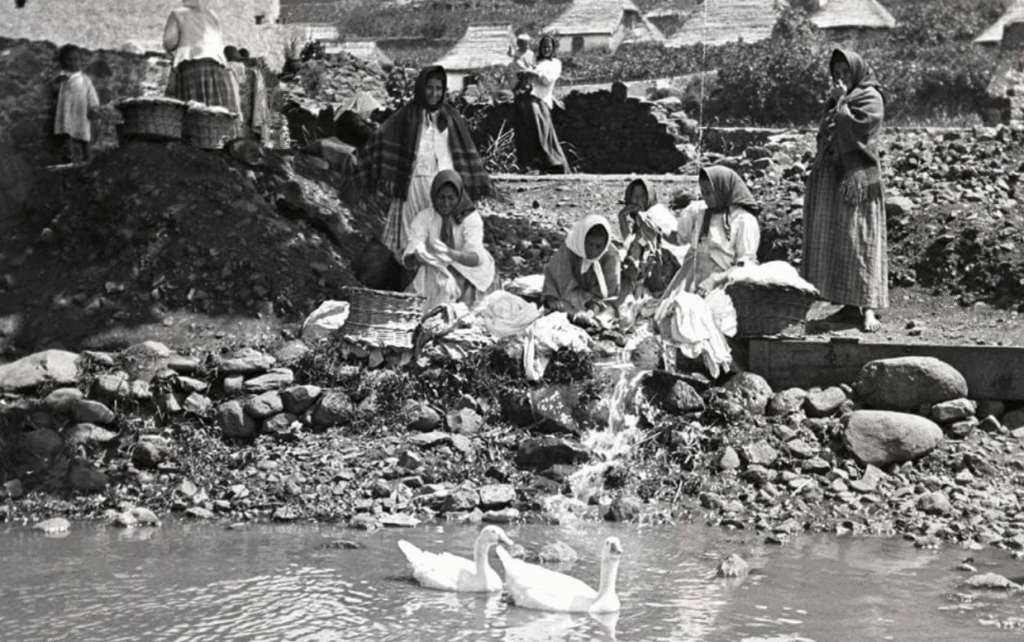
Seeing this as a revert to Islam has helped me understand how false some stereotypes about modest dress truly are. Portugal has its own long history of veiling and conservative clothing especially among women. So when modern Portuguese society labels the hijab as foreign or incompatible it forgets its own heritage.
Why This History Matters Today
In a time when Muslim women in Europe often face pressure criticism or misunderstanding for choosing modest dress these Portuguese traditions act as a reminder. They show that modesty has always existed here in our culture and it deserves respect like any other historical practice.
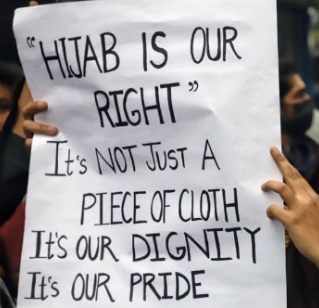
As Portuguese people we inherit a diverse history that includes Christian traditions Andalusi influence Atlantic island culture and more. My journey to Islam has helped me see these connections clearly. Instead of separation between cultures I see bridges that were always there.
Final Thoughts
Writing this blog has reminded me that Portuguese identity is richer and more layered than many people realise. I am still learning and I do not claim to be an expert in politics, religious history or anthropology. But the more I learn about both Islam and Portugal the more I see harmony rather than contradiction. Our islands carry memories of modest clothing and these traditions deserve to be remembered and valued.
If you notice something that needs improvement or have suggestions for future topics, I would be grateful to hear from you.
Muito obrigada for reading, and feel free to reach me at salaamportugal@gmail.com
حَدَّثَنَا يَحْيَى بْنُ حَبِيبِ بْنِ عَرَبِيٍّ، قَالَ حَدَّثَنَا خَالِدٌ، – يَعْنِي ابْنَ الْحَارِثِ – عَنِ ابْنِ عَجْلاَنَ، عَنْ عَبْدِ اللَّهِ بْنِ دِينَارٍ، عَنْ أَبِي صَالِحٍ، عَنْ أَبِي هُرَيْرَةَ، عَنِ النَّبِيِّ صلى الله عليه وسلم قَالَ “ الْحَيَاءُ شُعْبَةٌ مِنَ الإِيمَانِ ” .
Sunan an-Nasa’i 5006
Foi narrado por Abu Hurairah que o Profeta ﷺ disse:
“A modéstia é um ramo da fé.”
