Assalamu alaikum and hello to all readers,
This post explores a topic that shaped much of my academic journey, Orientalism. It is a concept that helped me understand how societies form ideas about other cultures and how these ideas influence politics, media, public opinion and even day to day interactions.
Orientalism is not about attacking any country or community, rather it is about understanding how certain images of the world and people groups were created and repeated. These images often tell us more about Europe than about the peoples being described. They shape assumptions, they guide narratives and they influence the way some groups are treated.
What is Orientalism?
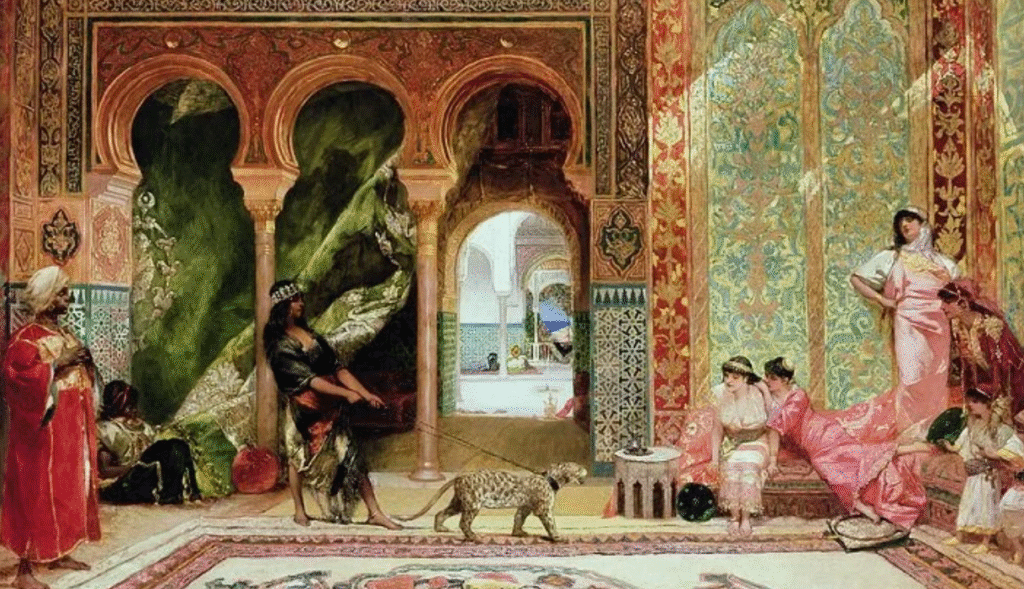
The term Orientalism refers to the long historical process in which Western societies created simplified images of the East, including the Muslim world, Africa, Asia and many mixed cultures in between. In this process, the East was often described as exotic, emotional, irrational, dangerous or uncivilised, while the West was described as modern, rational and advanced.
These descriptions did not always come from direct experience. They came from literature, art, politics, colonial writings and later from newspapers, television and public debate. With time, these ideas became normal and many people accepted them without realising they were shaped by selective storytelling.
Orientalism still influences how Muslims and non Western communities are seen in Europe today. It is not always loud or aggressive, sometimes it appears in very subtle ways, for example in the way news is framed, in what is emphasised or in what is not said.
Orientalism and Portugal
Portugal has a long history of exploration, trade and contact with many cultures. This created moments of cultural exchange but also moments of distance and misunderstanding. In recent years, Portugal has experienced social debates about immigration and identity, similar to trends across Europe.
A noticeable pattern appeared in how immigration was discussed. When immigrants arrived from European countries, the public reaction was often calm and neutral. Many people described them as workers, neighbours or students. Their cultures were seen as similar, familiar or easy to integrate.
But when immigration increased from other regions, especially Brazil, parts of Africa and Muslim majority countries, the tone in some areas of media and political debate shifted. These communities were sometimes described through stereotypes, fear based narratives or selective stories about crime or cultural differences. These narratives created a sense of the East, the foreign, the different, even when many of these people were simply families trying to work and build a life.

See the article above for the Islamic Community of Lisbon’s warning about how unfounded accusations and misinformation continue to shape public perceptions of Muslims in Portugal.
See the article above for recent data on how immigrants, particularly Brazilian communities, are affected by hate speech and discrimination in Portugal.
This pattern can be seen not only in Portugal but in the United Kingdom as well. Muslim communities in both countries often became the focus of stories that framed them as a problem rather than as part of society. When immigrants share a Western European background, the reaction tends to be calmer. When immigrants come from the so called Orient, including Muslim societies in the Middle East, North Africa or South Asia, the reaction can be more emotional. This reveals how deep Orientalist ideas still are in Europe.
How Media Frames Stories
Media does not create Orientalism alone, but it often reinforces it. In Portugal, as in many European countries, certain stories about Muslim communities are repeated more often than positive or ordinary ones. Headlines tend to connect Muslims with conflict, security or cultural tension, which creates fear even when the majority of Muslims live peaceful and normal lives.
This does not mean all journalism is biased. Many Portuguese journalists work with honesty and professionalism. But it means that the overall pattern can still reflect old narratives that were shaped long before modern Portugal existed.
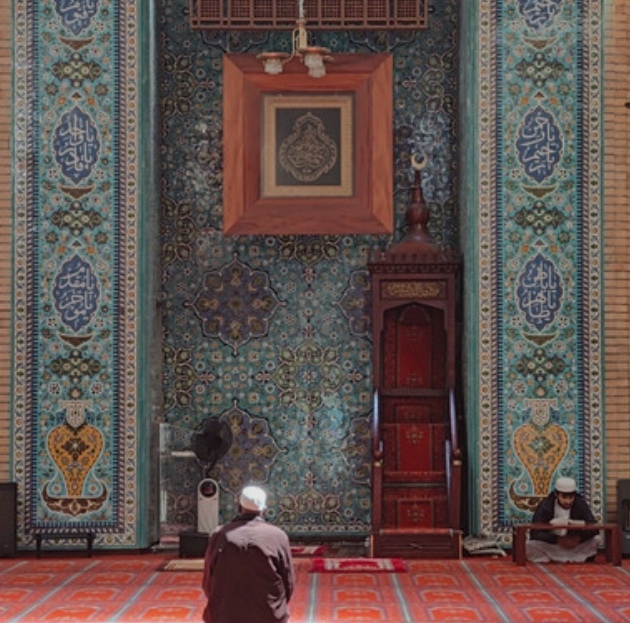
These patterns also influence how people understand immigrants from Brazil and Africa. Brazilian communities, despite sharing language and long historical ties with Portugal, often face stereotypes connected to crime or poverty. African communities are sometimes viewed through colonial era narratives that reduce complex societies to simple categories. When these patterns appear, even indirectly, they affect how these communities are treated and how they feel about belonging.
Muslims in Portugal and the United Kingdom
Muslim communities in Portugal and the United Kingdom face similar challenges. They contribute to society, they study, they work and they raise families, yet they often experience misunderstanding because Orientalist assumptions remain common. For example, when people imagine Muslims only as foreign, or traditional, or unchanging, they ignore the incredible diversity found within Muslim cultures. They also ignore the many European Muslims who belong fully to their countries.
In both Portugal and the United Kingdom, when Muslims appear in the news, the context is often conflict or tension. This is a clear example of Orientalism, because it makes one group visible only when something negative is reported, while their everyday lives remain invisible. These patterns do not reflect the truth of Muslim communities, but they continue to influence public opinion.
https://www.trtworld.com/article/37f0fa44df16
This article documents a sharp increase in anti-Muslim hate crimes in the UK over recent months
Why This Matters
Understanding Orientalism does not require anger or confrontation. It requires reflection. When people realise how narratives are shaped, they become more open to hearing different stories. Civil society becomes healthier. Fear decreases. Respect grows.
Portugal is a country with a long tradition of cultural contact. It can benefit greatly from recognising how old narratives affect modern life. When we understand Orientalism, we can move beyond it. We can create a country where difference is not a threat but a source of richness and learning.
A Path Forward
I write this not as an expert but as a Portuguese Muslim student of International Relations who believes that knowledge brings connection. My hope is that this post encourages readers to question narratives, to consider what is left out of the story and to approach others with curiosity rather than fear.
Portugal does not need to repeat the divisions that have grown in other countries. It can choose understanding, fairness and accuracy. And it can begin by recognising how old ideas still shape new conversations.
Salaam and thank you for reading.
If you have thoughts or corrections, or if you want to suggest future topics, you are welcome to contact me at salaamportugal@gmail.com
لَا فَضْلَ لِعَرَبِيٍّ عَلَى أَعْجَمِيٍّ، وَلَا لِأَعْجَمِيٍّ عَلَى عَرَبِيٍّ، وَلَا لِأَحْمَرَ عَلَى أَسْوَدَ، وَلَا لِأَسْوَدَ عَلَى أَحْمَرَ، إِلَّا بِالتَّقْوَى
(Farewell Sermon of Prophet Muhammad ﷺ — Musnad Ahmad 23489 — Sahih (authenticated by Al-Albani and Shu’ayb al-Arna’ut)
“Não há superioridade de um árabe sobre um não árabe, nem de um não árabe sobre um árabe,
e não há superioridade de uma pessoa branca sobre uma pessoa negra, nem de uma pessoa negra sobre uma branca,
exceto pela piedade.”

I have good experience for this field